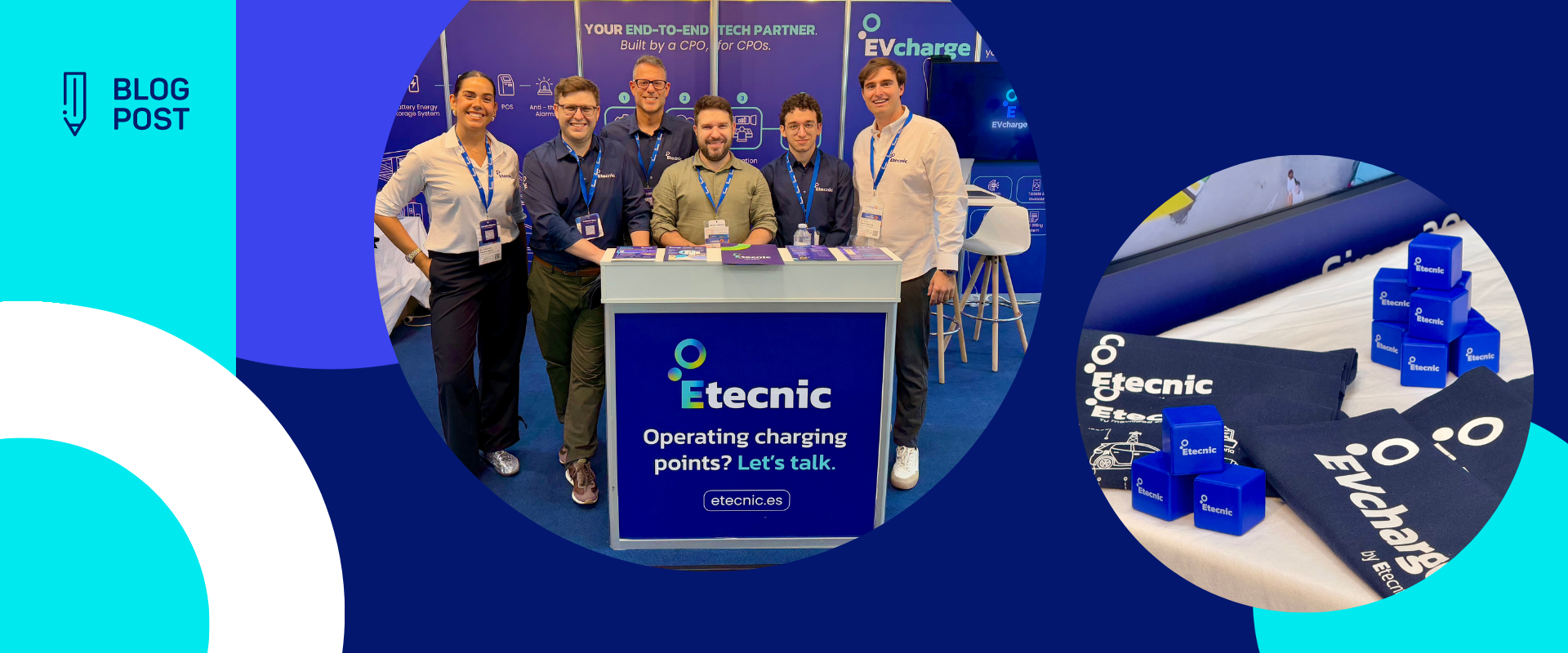


Discover essential insights into electric car charging laws for businesses in 2024. Stay informed about AFIR and FIT for 55 regulations shaping the European market’s EV infrastructure landscape.
Electric car businesses in 2024
In 2024, the landscape of electric vehicle (EV) charging regulations in Europe is evolving rapidly, presenting both challenges and opportunities for businesses. As the push towards sustainable mobility intensifies under the European Green Deal and FIT for 55 initiatives, understanding these regulatory frameworks is crucial for companies aiming to navigate the electric car charging sector effectively.
Overview of electric car charging regulations
The year 2024 marks a significant milestone in the regulation of electric car charging infrastructure across Europe. Two key regulatory frameworks are shaping the future of EV charging: AFIR (Alternative Fuels Infrastructure Regulation) and the FIT for 55 package.
AFIR regulations
AFIR aims to accelerate the deployment of electric car charging stations by mandating the installation of a minimum number of charging points in public and commercial spaces. By mandating the installation of these charging stations, AFIR aims to create a comprehensive network that supports the mobility needs of EV users throughout Europe. This network not only enhances accessibility but also contributes to reducing range anxiety, a common concern among prospective EV drivers.
This regulation addresses the critical need for accessible and interoperable charging infrastructure to support the growing number of EVs on European roads. Businesses will need to comply with AFIR guidelines on the placement, accessibility, and standardization of charging points to ensure seamless user experience and promote EV adoption.
FIT for 55
Under the FIT for 55 package, Europe is intensifying efforts to achieve climate neutrality by 2050. The European Climate Law makes achieving the EU climate target of reducing EU emissions by at least 55% by 2030 a legal obligation. This ambitious legislative package includes measures to reduce greenhouse gas emissions across various sectors, including transport. Businesses are encouraged to transition their fleets to electric vehicles as part of broader efforts to decarbonize transport and meet stringent emissions standards. The package also offers incentives and subsidies to support businesses in expanding their EV charging infrastructure and integrating sustainable mobility solutions into their operations.
Compliance and implementation challenges
While the regulatory landscape presents opportunities for businesses to embrace sustainable practices and capitalize on the growing EV market, it also brings significant challenges:
- Complex regulatory environment: Navigating the intricacies of AFIR and FIT for 55 regulations requires businesses to stay informed about updates and adapt their strategies accordingly.
- Cost considerations: Investing in EV charging infrastructure involves substantial upfront costs, including installation, maintenance, and upgrading to meet evolving standards.
- Interoperability and accessibility: Ensuring that charging points are interoperable across different networks and accessible to all EV users is crucial for compliance with AFIR regulations.
- Technical expertise: Businesses may need to acquire specialized knowledge or collaborate with experts in electric vehicle infrastructure to ensure compliance and optimize operational efficiency.
Benefits of compliance
Compliance with electric car charging laws in 2024 not only ensures adherence to regulatory requirements but also brings substantial benefits to businesses. By investing in EV charging infrastructure, businesses can enhance their corporate sustainability credentials and align with global efforts to combat climate change. Moreover, integrating electric vehicle charging stations can attract environmentally conscious customers and employees, reinforcing brand reputation as a forward-thinking organization committed to reducing carbon footprints.
Access to government incentives and subsidies further incentivizes businesses to adopt EV charging solutions. Programs under the FIT for 55 initiative, for instance, offer financial support and tax incentives for businesses transitioning to electric vehicles and expanding charging infrastructure. These incentives not only offset initial investment costs but also lower operational expenses in the long run, making EV adoption a financially viable and environmentally responsible choice for businesses across various sectors.
Strategic considerations for businesses
To effectively navigate the evolving electric car charging landscape in 2024 and beyond, businesses can take several strategic steps:
- Stay Informed: Regularly monitor updates and guidance from regulatory authorities such as the European Commission and national transport agencies to stay compliant with evolving regulations.
- Plan ahead: Develop a comprehensive roadmap for integrating electric vehicle charging infrastructure into business operations, considering factors such as location, charging capacity, and user demand.
- Collaborate and innovate: Partner with industry stakeholders, technology providers, and local authorities to leverage expertise and resources for implementing cost-effective and sustainable EV charging solutions.
- Maximize incentives: Take advantage of financial incentives, grants, and subsidies offered under the FIT for 55 package to offset initial investment costs and accelerate the deployment of EV charging infrastructure.
Strategic planning for a sustainable future
Preparing for 2024’s electric car charging laws requires proactive strategies and strategic partnerships. Understanding AFIR and FIT for 55 regulations ensures compliance and leadership in sustainable mobility. EVCharge offers essential resources for implementing efficient EV charging solutions. Collaborating with stakeholders, attending industry events, and leveraging government support are key to navigating regulatory complexities and driving innovation. By embracing these opportunities, businesses can advance sustainable transportation goals and thrive in the evolving landscape of electric vehicle infrastructure.